Mohs vs. Radiation: Which Is Right for Your Skin Cancer?
You've been offered both options. You deserve a straight answer — not marketing. Here's how the two actually compare, from a surgeon who has done 4,000+ cases.
Same-week appointments · Most insurance accepted
by Dr. Patel
Dr. Patel's Credentials
 Fellow, American College of Mohs Surgery
  Board-Certified Dermatologist
  Board-Certified Mohs Surgery
  American Society of Dermatologic Surgery
 You're getting two very different stories.
The radiation clinic says surgery leaves scars. The surgeon says radiation damages skin long-term. The more you read, the less certain you feel.
The truth: both treatments have legitimate uses. The real question isn't "which is better" — it's which is better for your cancer, in your location, for your long-term outcome. Below is the honest comparison.
More Than 4,000 Patients Have Trusted Dr. Patel With This Decision
Mohs vs. radiation — side by side
An honest comparison — not a sales pitch. Both treatments have legitimate uses; here's how they actually differ.
* Newer image-guided SRT claims higher cure rates for selected lesions, but long-term comparative data is still emerging.
Why Most Dermatologists Recommend Mohs First
Mohs is better long-term for most skin cancers
For BCC or SCC on the face, head, or neck, Mohs has a higher cure rate, lower recurrence rate, less tissue removed, and decades of outcome data.
Radiation has its place — we'll tell you honestly
For patients who can't tolerate surgery, are very elderly, or have specific cases, radiation can be reasonable. If that's you, Dr. Patel will tell you.
What happens if it comes back?
Radiation clinics rarely mention this. Radiated skin has compromised blood supply — if cancer returns, future surgery is more complex. Mohs-treated areas re-treat cleanly.
Fellowship-trained — not a technician
Dr. Patel is ACMS fellowship-trained at Mount Sinai with 4,000+ cases and full reconstructive training. That's the specialist you want when the decision is about your face.
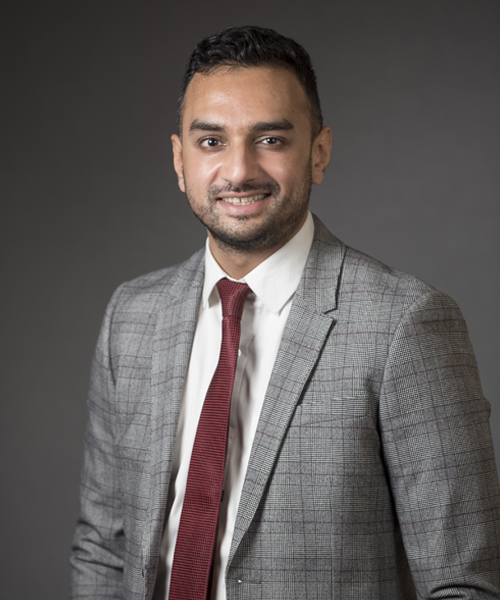
Dr. Parth Patel
MD · FAAD · FACMS · Fellowship-trained Mohs & reconstructive surgeon
- Medical school: Albert Einstein College of Medicine (Alpha Omega Alpha honors)
- Residency: Chief resident at Albert Einstein
- Fellowship: Mount Sinai Medical Center, NY
- Affiliation: Penn Medicine Princeton Medical Center
- Research: 30+ peer-reviewed publications
What a Consultation With Dr. Patel Looks Like
Bring your biopsy report. Leave with a clear plan.
- 01
Consultation
Dr. Patel reviews your biopsy, examines the area, and walks you through both options — recommending what's actually right for your case.
- 02
If Mohs is right for you
We schedule the procedure. Usually one visit, same-day reconstruction if needed.
- 03
If radiation is a better fit
Dr. Patel will tell you — and can refer you to a trusted radiation oncologist if needed.
Common questions
Is Mohs always better than radiation?
What's the cure rate difference?
Radiation has no scar — isn't that better?
I'm older and don't want to go under the knife. Is radiation reasonable?
Can I get a second opinion here?
What if my insurance covers one but not the other?
How do I decide?
Get the honest answer for your specific case.
Bring your biopsy report. Leave with a clear plan. No pressure — just a real second opinion from a surgeon who has no reason to sell you anything except what's right.
Same-week appointments often available · Most insurance accepted